
For cultural and tourism project owners, lighting is the soul of every project. Scenic illumination, artistic installations, and viral photo spots all rely on stable lighting performance.
But there’s a hidden threat that can destroy your hard work: surge. Most people hear “surge protection” and tune out, thinking it’s the contractor’s problem. The reality is different. Surges destroy lights, drain budgets, and ruin reputations.
Today, we’ll explain surge protection in plain language—no technical jargon, just practical advice.
Part 1: What Is a Surge? The “Invisible Tsunami” Explained
Think of a surge as an invisible tsunami aimed at your circuits. It strikes in a fraction of a second, spiking voltage to several times normal levels and instantly destroying sensitive lighting equipment.
In cultural and tourism projects, the damage is magnified because fixtures are outdoors, exposed, and vulnerable. There are two main types of surges.
1.1 External Surges: Nature’s Critical Hit
Lightning strikes are the primary culprit. Most projects are outdoors—mountain trails, public squares, ancient building eaves, and artistic installations—where fixtures are constantly exposed.
During a thunderstorm, a massive voltage surge can wipe out hundreds of lights in an instant, leaving your lighting display dark overnight.
1.2 Internal Surges: The Hidden Current You Create
This type is more subtle and often overlooked. Every time large equipment like air conditioners or elevators turns on or off, it creates voltage fluctuations that generate surges.
A single internal surge won’t destroy your lights, but repeated daily exposure acts like death by a thousand cuts. It accelerates fixture aging, causing brightness to fade, colors to shift, and lights to flicker.
1.3 The Solution: Surge Protective Devices (SPDs)
Industry standards require Surge Protective Devices. SPDs are your lighting system’s personal bodyguards—they absorb deadly voltage spikes and redirect them safely to the ground.
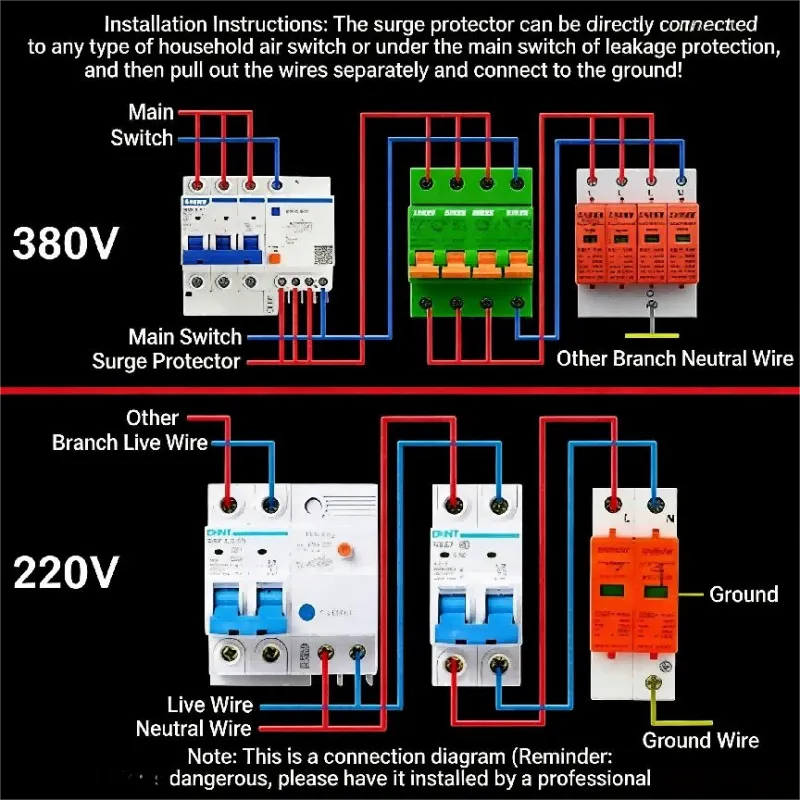
As the project owner, ensuring SPDs are installed correctly is your responsibility. This is non-negotiable.
Part 2: Three Major Pitfalls of Ignoring Surge Protection
Some owners think replacements are cheap, but the real cost goes far beyond simple lamp replacement. Let’s examine three major pitfalls.
2.1Repair Costs Become a Bottomless Pit
Cultural and tourism projects have hundreds of fixtures, many installed in hard-to-reach places like high poles or building facades. Replacement labor often exceeds the fixture cost itself.
A single lightning strike can cause cascade failures, resulting in repair bills of tens of thousands of dollars. Your investment simply evaporates into a black hole of maintenance.
2.2 Lighting Quality Fails – Visitors Vote with Their Feet
Chronic surge exposure causes premature aging: brightness fades, color temperature shifts, and lights flicker.
Visitors expect stunning nightscapes but see inconsistent, discolored lighting instead. They can’t get good photos, the experience falls flat, and they leave with negative impressions. Visitor numbers drop, and revenue follows.
2.3 System-Wide Failure or Fire – Catastrophic Liability
Modern lighting uses sophisticated equipment like gobo projector lights, architectural projection lights, and dynamic artistic installations. A powerful surge can travel along control and power lines, frying your entire intelligent control system.
Worst-case scenarios include short circuits and fires, posing direct threats to visitor safety. The consequences—liability claims, project shutdowns, license revocation—are catastrophic.
Part 3: Four Steps to Ensure Your Contractor Gets Surge Protection Right
You don’t need to be a technician, but you do need to hold contractors accountable. Follow these four steps.
3.1 Step 1: Selection Phase – Lock It Down at the Source
Before signing any contract, set clear requirements: all fixtures must have integrated surge protection. This includes gobo projector lights, architectural projection lights, and any outdoor-rated unit.
Get it right from the start and save immense headaches later.
3.2 Step 2: Installation Phase – Supervise Three Critical Details
Visit the site personally and verify these three points.
SPD Installation and Type: Outdoor fixtures need outdoor-rated lightning SPDs. Intelligent control systems need signal SPDs on communication lines. Confirm SPDs are securely mounted and properly grounded.
Grounding System: When a surge hits, energy needs a safe path to the ground. Demand proper grounding for fixtures, SPDs, and cable sheathing. For outdoor installations, ensure corrosion protection.
Wiring Quality: Connections must be tight and insulation intact. Power and communication lines must run in separate conduits to prevent electromagnetic interference that generates internal surges.
3.3 Step 3: Acceptance Phase – Demand Evidence
Don’t sign final payment until you have proof of protection. Have contractors test SPDs on-site. Simulate voltage fluctuations and test all fixtures—especially gobo projector lights—checking for flickering or dimming.
Cross-check SPD models and grounding against contract specifications. Only sign off when satisfied.
3.4 Step 4: Maintenance Phase – Establish Regular Check-Ups
Surge protection isn’t set-and-forget. Establish regular inspection schedules.
Periodically check SPD status indicators. Regularly test grounding connections. If you see repeated fixture failures, investigate SPDs and grounding first—preventing minor issues from escalating.
Part 4: Why Choose a Professional Gobo Projector Manufacturer
If technical details feel overwhelming, choosing a reliable partner is smart business.
We are a professional gobo projector manufacturer serving the cultural and tourism industry for years. We understand project owners’ pain points and specialize in complex outdoor environments.
We provide gobo projector lights, architectural projection lighting, and custom artistic installations. We develop comprehensive installation manuals with clear diagrams and wiring schematics
Our teams strictly follow industry standards, executing correctly every time. We ensure your lighting system delivers stable, stunning performance for years—saving you money, worry, and effort.
Choose us.
Conclusion: Surge Protection Is Your Cost-Saving Shield
Your lighting—whether gobo projector lights, architectural installations, or dynamic artistic displays—is the public face of your project, tied directly to your revenue.
Surge protection is not a minor detail to gloss over. It protects your investment and safeguards your reputation. It’s invisible and easy to ignore, but its impact is immense.
Prioritize surge protection in all future projects. Hold your contractors accountable. Follow the four steps we outlined.
Only by solidifying these fundamentals can your lighting display withstand the elements, shine brilliantly night after night, and continuously drive visitors and revenue to your project.